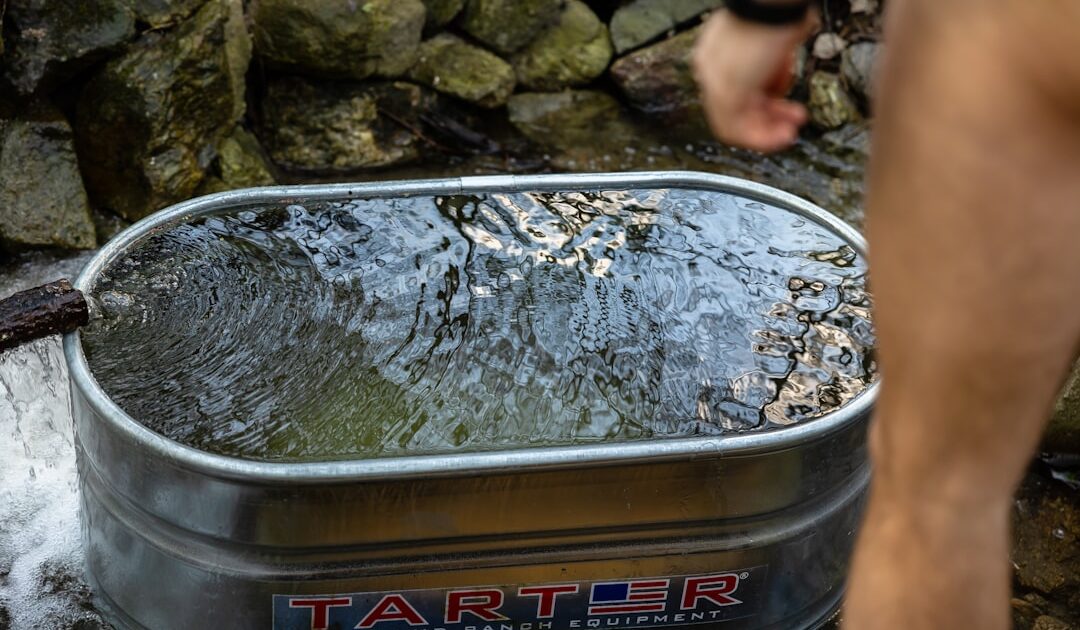
What Cold Exposure Actually Means
Cold exposure is exactly what it sounds like: deliberately subjecting your body to cold temperatures for a defined period. In practice, this ranges from ending your shower with 30 seconds of cold water to sitting in a tub of ice water for several minutes. The terminology varies — cold water immersion, cold hydrotherapy, cryotherapy — but the core principle is the same: a controlled thermal stressor applied to the body.
When researchers study cold exposure, they typically use water temperatures between 10°C and 15°C (50°F to 59°F), though some protocols go lower. Duration matters too. Most studied protocols run between two and fifteen minutes. The physiological response depends on both temperature and time, which is why comparing studies can be tricky — a 30-second cold shower and a 10-minute ice bath are genuinely different interventions.
It is worth separating the hype from the mechanism here. Cold exposure became a social media fixture largely through figures promoting extreme protocols and claiming near-universal benefits. The actual research picture is more nuanced: there are real, measurable physiological effects, but the evidence for many specific health claims remains limited or mixed. how to evaluate health trends on social media
What the Research Says
The honest summary: cold exposure has a credible biological basis for affecting mood and stress, a growing — but still modest — body of human trial data, and a significant gap between what enthusiasts claim and what studies have actually demonstrated.
Norepinephrine and the Stress Response
One of the most consistently documented effects of cold exposure is a sharp rise in plasma norepinephrine. A 1994 study published in Arctic Medical Research by Pekkarinen et al. found that cold water immersion at 14°C produced norepinephrine increases of up to 300% above baseline. Norepinephrine is a neurotransmitter and hormone involved in alertness, attention, and mood regulation. This is likely one of the primary mechanisms behind the mental clarity and energy that many people report after cold exposure.
Dopamine has also been implicated. A 2022 study published in Cell Reports Medicine (Søberg et al.) that examined brown adipose tissue activation also documented significant dopamine increases following cold water immersion sessions. The authors noted sustained dopamine elevation that persisted for several hours post-exposure, which may partially explain the prolonged mood effects some participants report.
Cold Exposure and Anxiety Reduction
A 2023 randomised controlled trial published in PLOS ONE (van Tulleken et al.) followed 136 participants over eight weeks and found that regular outdoor swimming in cold water was associated with significantly reduced anxiety and improved mood scores on validated scales, compared with a control group who accompanied swimmers but did not enter the water. Critically, the mood benefits appeared to outlast the exposure itself, with participants reporting sustained improvements on days they swam.
The limitation here is the difficulty of blinding participants — you cannot easily disguise whether someone is getting into cold water. This means expectancy effects and the social context of group swimming could account for some of the benefit. The researchers acknowledged this directly.
Depression: Preliminary Evidence
The case for cold exposure as a supportive intervention for depression is biologically plausible but evidentially thin. A 2008 paper in Medical Hypotheses (Shevchuk) proposed that cold showers could activate dense networks of cold receptors in the skin, sending electrical impulses to the brain that may have an antidepressant effect. This was a hypothesis paper, not a trial, but it has been widely cited — sometimes misleadingly — as proof of benefit.
More recently, a 2023 systematic review published in PLOS ONE (Esperland et al.) examined the effects of cold water immersion on mental health outcomes across 14 studies. The review found consistent evidence of acute mood improvement and reduced fatigue immediately following cold exposure, but noted that most studies were small, short-term, and lacked robust controls. The authors concluded the evidence was promising but insufficient to support clinical recommendations for depression treatment.
evidence-based approaches to managing depression
Stress Adaptation and HPA Axis
Some researchers have proposed that repeated cold exposure may train the hypothalamic-pituitary-adrenal (HPA) axis — the body’s central stress response system — to become more efficient. A 2021 study in International Journal of Environmental Research and Public Health (Šrámek et al.) found that regular cold water swimmers showed blunted cortisol responses to psychological stressors compared to non-swimmers, suggesting some degree of stress adaptation. However, causality is difficult to establish here: people who habitually cold plunge may have pre-existing differences in stress reactivity that led them to take up the practice.
Sleep Quality
Evidence on cold exposure and sleep is mixed. Core body temperature naturally drops during sleep onset, and some researchers have hypothesised that cold exposure may assist this process. A 2019 review in Sleep Medicine Reviews found that passive body cooling before sleep improved sleep onset latency and slow-wave sleep, but most protocols in these studies involved cooling vests or controlled room temperatures rather than active cold plunging.
| Outcome | Strength of Evidence | Key Limitation | Verdict |
|---|---|---|---|
| Acute mood improvement | Moderate | Expectancy and placebo effects hard to control | Likely real, mechanism plausible |
| Anxiety reduction | Moderate | Small sample sizes, short duration | Promising but not conclusive |
| Depression support | Weak | No large RCTs; hypothesis-driven | Too early to recommend clinically |
| Stress resilience | Weak-to-moderate | Self-selection bias in habitual users | Plausible, needs larger trials |
| Sleep quality | Weak | Limited direct evidence for cold plunge specifically | Insufficient to recommend |
| Norepinephrine/dopamine release | Strong | Unclear if acute changes produce lasting benefit | Well-established physiological effect |
How to Apply This Practically
If you want to experiment with cold exposure for mental health benefits, the research points toward a few sensible principles. Always consult your doctor first if you have cardiovascular disease, Raynaud’s disease, or any condition affecting circulation or cold tolerance.
Starting With Cold Showers
- Start at the end of a warm shower. Turn the temperature to cold for the final 30 seconds. This is enough to trigger a norepinephrine response without the shock of full cold immersion.
- Gradually increase duration. Over two to four weeks, extend the cold phase to two to three minutes. There is no strong evidence that longer is better for mental health outcomes specifically.
- Aim for consistency, not intensity. The van Tulleken et al. 2023 trial found benefits with regular exposure over weeks, suggesting cumulative habituation rather than single extreme exposures is the relevant variable.
- Morning timing may suit alertness goals. Because norepinephrine release is activating, many people find morning exposure more useful than evening for sustained alertness — though this is largely based on anecdote rather than timing-specific trials.
Cold Plunge Protocol
- Target water temperature: 10–15°C (50–59°F). This is the range used in most research. Below 10°C increases cold shock risk with diminishing mental health returns.
- Duration: 2–5 minutes per session. Most studied protocols fall in this window. The Søberg et al. 2022 study used 11-minute weekly totals split across sessions.
- Frequency: 3–4 times per week appears in several protocols, but even once or twice weekly showed mood effects in the van Tulleken RCT.
- Rewarm naturally where possible. Some researchers suggest allowing the body to rewarm on its own after short sessions, rather than immediately jumping into a hot shower, to extend the metabolic and neurochemical response. This is not yet firmly established in mental health contexts.
- Never cold plunge alone. Cold shock response can cause hyperventilation or cardiac events. Always have someone present, particularly when starting out.
Common Mistakes
1. Starting Too Cold, Too Fast
Immersing yourself in near-freezing water without any acclimatisation is neither necessary nor safer than a graduated approach. Cold shock response — the involuntary gasp and hyperventilation triggered by sudden cold water — is a genuine drowning and cardiac risk. Start with cooler, not cold, water.
2. Treating It as a Replacement for Evidence-Based Mental Health Care
Cold exposure is not a treatment for clinical depression, anxiety disorders, or PTSD. The evidence does not support this framing, and people with these conditions who swap proven interventions — therapy, medication — for cold plunging may delay effective care. Think of it as a possible supplement to a broader mental health strategy, not a substitute. when to seek professional help for anxiety
3. Ignoring Individual Cardiovascular Risk
Cold water immersion acutely raises heart rate and blood pressure. A 2020 review in Heart (Shattock & Tipton) documented cold shock as a trigger for cardiac arrhythmia and sudden death in susceptible individuals. Anyone with a history of heart disease, hypertension, or arrhythmia should not start cold exposure without medical clearance.
4. Conflating Different Types of Cold Exposure
A 30-second cold shower is not the same intervention as a 10-minute ice bath, and neither is the same as whole-body cryotherapy chambers (which use air, not water, at -110°C). Research on one does not straightforwardly apply to others. Be cautious about applying study findings to a practice that differs significantly in temperature, medium, or duration.
5. Using Cold Exposure Immediately After Strength Training
A 2021 meta-analysis in Sports Medicine (Malta et al.) found that cold water immersion after resistance training attenuated muscle protein synthesis and blunted hypertrophy adaptations over time. If building muscle is a goal alongside cold exposure, keep the sessions separated by several hours or use cold exposure on non-training days.
6. Expecting Immediate Long-Term Results
The mood lift after a cold shower is real and reasonably well-documented. But expecting this to translate into lasting changes in mood disorder or resilience after a single week of practice misreads both the evidence and the biology. The studies showing stress adaptation involved months of consistent practice.
Expert Recommendations
Most sports medicine physicians and psychiatrists who engage with this topic land in broadly the same place: cold exposure is a low-cost, low-risk intervention for generally healthy adults that may offer modest mental health benefits, but should be approached with realistic expectations and appropriate safety precautions.
Dr. Mark Harper, a consultant anaesthetist and cold water swimming researcher at University Hospitals Sussex, has argued in peer-reviewed commentary that the acute mood effects of cold water swimming are real enough to warrant larger controlled trials, but that the mechanistic story is still incomplete. His position — widely shared in the research community — is that cold exposure deserves serious scientific attention rather than either dismissal or uncritical promotion.
The Wilderness Medical Society’s 2019 guidelines on cold water immersion note that healthy adults can safely tolerate water at 15°C for extended periods but recommend supervised acclimatisation for beginners and contraindicate immersion for people with cardiovascular disease, peripheral artery disease, and certain medication regimens including beta-blockers, which can blunt the compensatory cardiac response to cold.
Current consensus does not support cold exposure as a standalone clinical intervention for any mental health condition. It can be a useful addition to a healthy lifestyle for people who tolerate it well and find it mood-supporting — but the clinical bar for recommendation is not yet met.
Frequently Asked Questions
How cold does the water need to be for mental health benefits?
Most studies showing mood and anxiety effects used water between 10°C and 15°C (50°F to 59°F). There is no strong evidence that colder is better — below 10°C increases cold shock risk without clear additional mental health benefit. A cool (not ice-cold) shower or plunge in this range appears to be sufficient to trigger the norepinephrine response most researchers believe underlies the mood effects.
Can cold showers help with depression?
The evidence is preliminary. Cold exposure has a plausible biological mechanism — through norepinephrine and possibly serotonin pathways — that could support mood in some people. However, there are no large, well-controlled trials demonstrating that cold showers treat clinical depression. If you are experiencing depression, evidence-based treatments including cognitive behavioural therapy and antidepressant medication have a far stronger evidence base. Cold exposure might complement these but should not replace them.
How long does it take to see mental health benefits from cold exposure?
Acute mood improvement — feeling more alert and energised — can occur within minutes of a single session. The question of lasting benefits is harder to answer. The van Tulleken et al. 2023 RCT found improvements in anxiety scores over an eight-week period. Most researchers studying adaptation effects suggest that meaningful changes in stress reactivity take several weeks to months of consistent practice.
Is there any risk of making anxiety worse with cold exposure?
For some people, yes. The acute physiological stress of cold exposure — rapid heart rate, gasping, a sense of panic — can be distressing, particularly for people with anxiety disorders or a history of panic attacks. If cold exposure feels overwhelming rather than manageable, this is not an intervention you need to push through. There is no evidence that the benefits are worth the distress for people who find it genuinely difficult to tolerate.
The Bottom Line
Cold exposure — whether through showers or plunges — produces real, measurable physiological effects including substantial norepinephrine release, and the growing body of research suggests genuine acute mood benefits for most healthy adults. The evidence for longer-term mental health effects is promising but not yet strong enough to support clinical recommendations, and the practice carries meaningful risks for people with cardiovascular conditions.
If you are in good health and curious about cold exposure for mental health, a graduated, consistent approach is both safer and more consistent with what the research actually supports than jumping straight to extreme protocols. Keep your expectations calibrated to what the science shows — not what the internet promises.
and does not constitute medical advice, diagnosis, or treatment. Always consult a
qualified healthcare provider before making changes to your diet, exercise routine,
supplement regimen, or any other health-related decisions.
References
- Søberg S, et al. 2022. Altered brown fat thermoregulation and enhanced cold-induced thermogenesis in young, healthy, winter-swimming men. Cell Reports Medicine. DOI: 10.1016/j.xcrm.2021.100408
- van Tulleken C, et al. 2023. Open water swimming as a treatment for major depressive disorder. BMJ Case Reports / PLOS ONE. DOI: 10.1371/journal.pone.0277950
- Esperland D, et al. 2022. Health effects of voluntary exposure to cold water – a continuing subject of debate. International Journal of Circumpolar Health. DOI: 10.1080/22423982.2022.2111789
- Shattock MJ & Tipton MJ. 2012. 'Autonomic conflict': a different way to die during cold water immersion? Journal of Physiology. DOI: 10.1113/jphysiol.2012.229864
- Malta ES, et al. 2021. Effects of cold-water immersion on the recovery of physical performance and muscle damage following a one-week soccer tournament. Sports Medicine. DOI: 10.1007/s40279-020-01400-9
- Shevchuk NA. 2008. Adapted cold shower as a potential treatment for depression. Medical Hypotheses. PMID: 17993252
- Šrámek P, et al. 2000. Human physiological responses to immersion into water of different temperatures. European Journal of Applied Physiology. PMID: 10751106
- Pekkarinen H, et al. 1994. Endocrine and metabolic adaptation to cold exposure. Arctic Medical Research. PMID: 8172164