What a Cancer Prevention Lifestyle Actually Means
Cancer is not one disease. It is more than 200 distinct conditions, each with its own biology, risk profile, and set of contributing factors. Because of this complexity, no lifestyle change will fully protect against every form of cancer. That is not pessimism — it is precision.
What the science does support, clearly and repeatedly, is that a meaningful proportion of cancer cases arise from modifiable behaviours. A landmark 2018 analysis published in The Lancet estimated that approximately 42% of cancer cases in the United States are attributable to preventable risk factors. Smoking alone accounted for nearly half of those preventable cases, but diet, alcohol, excess body weight, physical inactivity, and UV exposure collectively contributed a substantial additional burden.
A cancer prevention lifestyle, then, is not about following a rigid programme or eliminating all risk. It is about shifting the odds meaningfully in your favour across multiple fronts — and doing so in ways that the evidence consistently supports. The factors below are not ranked by opinion; they are ordered roughly by the strength and consistency of the evidence behind them.
how cancer develops at the cellular level
What the Research Says: 7 Key Lifestyle Factors
1. Not Smoking (or Quitting as Early as Possible)
The relationship between tobacco and cancer is among the most thoroughly established in all of medicine. Tobacco smoking is causally linked to at least 15 cancer types, including lung, bladder, kidney, pancreatic, cervical, and oesophageal cancers. A 2022 meta-analysis published in JAMA Oncology confirmed that current smokers carry an approximately 23-fold greater risk of developing lung cancer compared with never-smokers.
Importantly, the evidence on cessation is strongly encouraging. A 2020 prospective cohort study in JAMA Internal Medicine, following over 160,000 participants, found that people who quit smoking before age 45 reduced their lung cancer risk to levels approaching those of never-smokers within 10–15 years. Even quitting at older ages produced significant, measurable risk reduction.
Secondhand smoke exposure is not benign either. The International Agency for Research on Cancer (IARC) classifies it as a Group 1 carcinogen — meaning there is sufficient evidence of human carcinogenicity.
2. Maintaining a Healthy Body Weight
Excess body fat is now recognised as a risk factor for at least 13 cancer types, including postmenopausal breast, colorectal, endometrial, oesophageal adenocarcinoma, and kidney cancers. The biological mechanisms are well-characterised: adipose tissue promotes chronic low-grade inflammation, drives insulin resistance and elevated IGF-1 signalling, and alters oestrogen metabolism — each of which can promote tumour initiation and progression.
A 2017 analysis in the New England Journal of Medicine, drawing on data from the Global Burden of Disease study, estimated that high body mass index accounted for approximately 544,000 cancer deaths globally per year. A 2021 prospective analysis in Cancer Research found that sustained weight loss of 5–10% of body weight in people with overweight or obesity was associated with a statistically significant reduction in colorectal cancer risk over a 10-year follow-up period.
The critical nuance here is that body fat distribution matters as much as total weight. Central adiposity — abdominal fat specifically — carries a stronger association with several cancer types than BMI alone.
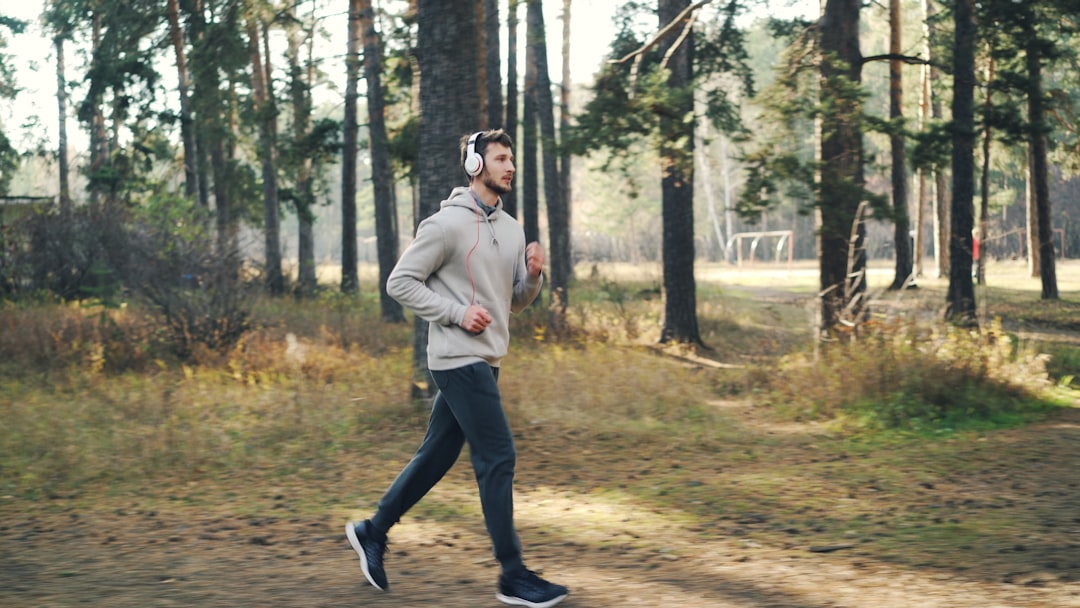
3. Regular Physical Activity
Physical activity reduces cancer risk through multiple pathways: it lowers insulin and insulin-like growth factor concentrations, reduces inflammation, improves immune surveillance, and — in the case of colon cancer — accelerates intestinal transit time, limiting mucosal exposure to potential carcinogens.
A 2016 pooled analysis of 1.44 million participants published in JAMA Internal Medicine found that higher levels of leisure-time physical activity were significantly associated with a lower risk of 13 of the 26 cancer types examined, including colon, breast, endometrial, kidney, and bladder cancers. The dose-response relationship was meaningful: higher activity produced greater risk reduction, and these effects were largely independent of BMI.
Current guidelines from the World Health Organization recommend at least 150–300 minutes of moderate-intensity aerobic activity per week, with additional benefit from resistance training. A 2022 meta-analysis in the British Journal of Sports Medicine found that even those who met only the minimum threshold showed measurable reductions in cancer mortality compared with sedentary individuals.
4. Limiting Alcohol Consumption
There is no established safe threshold for alcohol and cancer risk. The IARC classifies ethanol as a Group 1 carcinogen. Alcohol is causally linked to cancers of the oral cavity, pharynx, larynx, oesophagus, liver, colorectum, and breast. The risk scales with dose — heavy drinking carries greater risk than moderate drinking — but even light drinking raises breast and oropharyngeal cancer risk relative to abstinence.
A 2021 analysis in The Lancet Oncology estimated that alcohol consumption accounted for approximately 741,000 new cancer cases globally in 2020, with about 103,000 of those attributable to light drinking alone. A 2018 Mendelian randomisation study in the International Journal of Epidemiology provided further causal evidence by exploiting genetic variants related to alcohol metabolism, finding consistent associations with colorectal and breast cancer even after controlling for confounders.
The practical implication is not necessarily complete abstinence for every person, but a clear-eyed acknowledgement that alcohol carries a real, dose-dependent cancer risk — and that reducing intake lowers that risk proportionally.
5. Eating a Diet Rich in Fibre, Vegetables, and Whole Grains
Diet and cancer is a research area with genuine complexity and some ongoing debate, but several specific dietary patterns and components have accumulated strong, consistent evidence. The most robust data concerns dietary fibre and colorectal cancer. A 2011 meta-analysis in the British Medical Journal, and subsequently reinforced by a 2020 systematic review in The Lancet, found that each 10-gram per day increase in fibre intake was associated with a roughly 10% reduction in colorectal cancer risk.
Red and processed meat present the other side of the dietary evidence. The IARC classifies processed meat (bacon, sausages, hot dogs) as a Group 1 carcinogen and red meat as a probable carcinogen (Group 2A) for colorectal cancer. A 2019 prospective study in the International Journal of Epidemiology following 475,000 UK Biobank participants found that each 25g per day increase in processed meat was associated with a 19% higher risk of colorectal cancer.
The evidence for specific vegetables and fruits is less precise than for fibre and processed meat, largely because food intake data is difficult to measure accurately. However, diets broadly aligned with Mediterranean or DASH patterns — high in vegetables, legumes, whole grains, and healthy fats — are consistently associated with lower overall cancer incidence in large cohort studies.
Mediterranean diet evidence and health outcomes
6. Sun Protection and UV Exposure Management
Skin cancer is the most commonly diagnosed cancer in many countries, and ultraviolet radiation is its primary environmental cause. The IARC classifies solar UV radiation and artificial tanning devices as Group 1 carcinogens. A 2012 meta-analysis in the British Medical Journal found that use of indoor tanning beds before age 35 was associated with a 59% increase in melanoma risk, with risk rising with each additional use.
The evidence for sunscreen is also robust. A 2015 randomised controlled trial published in the Journal of Clinical Oncology — one of the few RCTs in sun protection research — found that daily sunscreen application over a 4.5-year period significantly reduced the incidence of squamous cell carcinoma and cutaneous melanoma compared with discretionary use.
Sun protection is not limited to sunscreen. The evidence supports a combined approach: seeking shade during peak UV hours (typically 10am–4pm), wearing protective clothing, and avoiding tanning beds entirely.
7. Attending Recommended Screening Programmes
Strictly speaking, cancer screening does not prevent cancer from developing — but it is one of the most evidence-backed cancer prevention lifestyle strategies available because it enables detection at a stage where curative treatment is far more likely. Early-stage cancers are generally smaller, less likely to have spread, and more amenable to surgery, radiation, or targeted therapy.
A 2022 systematic review in the Annals of Internal Medicine confirmed that organised colorectal cancer screening programmes using colonoscopy or faecal immunochemical testing (FIT) are associated with a 30–40% reduction in colorectal cancer mortality. For breast cancer, a 2023 Cochrane review found that invitation to mammography screening was associated with a reduction in breast cancer mortality of approximately 20% after 13 years of follow-up.
Cervical screening with HPV testing is particularly powerful — and, combined with HPV vaccination in younger age groups, represents one of the clearest examples of cancer prevention working at a population level. A 2020 observational study in The Lancet reported that women vaccinated against HPV at age 12–13 had approximately an 87% lower rate of cervical cancer compared with unvaccinated women.
How to Apply This Practically
The evidence for each of these seven factors is clear. Translating that evidence into daily life is where most people run into difficulty. The following framework is designed to help you prioritise based on your current baseline and where the evidence suggests the greatest individual return.
Step 1: Assess Your Current Risk Profile
Before making changes, identify where your habits currently sit. Are you a current smoker? Do you drink regularly? Are you significantly above a healthy weight? The greatest marginal gains come from addressing the highest-risk behaviours first. Stopping smoking, for instance, will generally have a greater impact on your overall cancer risk profile than switching from white to brown rice.
Step 2: Address One Major Factor at a Time
Research on behaviour change consistently shows that attempting multiple simultaneous major lifestyle shifts reduces success across all of them. Pick the highest-impact factor you can realistically address right now and work on it systematically. Use evidence-based cessation resources for smoking (varenicline and combination NRT have the strongest RCT evidence). Seek clinical support for significant weight management goals.
Step 3: Build Environmental Defaults
Much of health behaviour happens automatically, not through conscious decision-making. Make the healthier option the path of least resistance: keep fibre-rich foods accessible, schedule physical activity on a calendar, check your sunscreen is within reach, and sign up for screening reminders through your healthcare provider rather than relying on memory.
Step 4: Book Your Recommended Screenings
Check the screening guidelines relevant to your age, sex, and family history. In most countries, organised programmes exist for bowel, breast, and cervical cancers. If you have a family history of specific cancers, speak to your GP about whether earlier or additional screening is appropriate.
| Lifestyle Factor | Cancer Types Most Affected | Evidence Level | Estimated Population Impact |
|---|---|---|---|
| Not smoking / quitting | Lung, bladder, oesophagus, 12+ others | Very strong (causal) | ~19% of all US cancers attributable to tobacco |
| Healthy body weight | Colorectal, breast (post-menopause), endometrial, kidney | Strong (consistent cohort + mechanistic) | ~7–8% of cancers attributable to excess weight |
| Regular physical activity | Colon, breast, endometrial, kidney, bladder | Strong (dose-response shown) | Risk reduction of 10–20% for several cancers |
| Limiting alcohol | Breast, colorectal, liver, oropharynx, oesophagus | Strong (causal, IARC Group 1) | ~5–6% of cancers attributable to alcohol |
| Diet (fibre, vegetables, limiting processed meat) | Colorectal, gastric | Moderate to strong (specific components) | ~5% of cancers attributable to poor diet |
| Sun protection / UV avoidance | Melanoma, squamous cell, basal cell carcinoma | Strong (causal, IARC Group 1) | Skin cancer is most common cancer type in many countries |
| Screening attendance | Colorectal, breast, cervical | Strong (RCT + large cohort data) | 20–40% reduction in disease-specific mortality |
Common Mistakes to Avoid
Mistake 1: Treating One Habit as a Full Strategy
A common misunderstanding is that any single behaviour — eating more broccoli, say, or taking a specific supplement — provides meaningful overall cancer protection. The evidence does not support this. Cancer risk reduction accumulates across multiple lifestyle factors. Optimising one while ignoring others provides far less protection than a balanced approach across the full set.
Mistake 2: Assuming Supplements Can Replace Dietary Patterns
Several high-profile randomised trials have found that antioxidant supplements not only fail to reduce cancer risk but may in some cases increase it. The CARET trial found that beta-carotene supplementation significantly increased lung cancer incidence in high-risk smokers. The evidence consistently points to whole dietary patterns — not isolated nutrients delivered in pill form — as the relevant variable.
Mistake 3: Believing That Family History Makes Lifestyle Irrelevant
A family history of cancer does increase risk, and in some cases (BRCA1/2 mutations, Lynch syndrome) the increase is substantial. However, lifestyle factors modify risk even in those with genetic predispositions. A 2017 JAMA Oncology study found that among women with high genetic risk scores for breast cancer, a favourable lifestyle was associated with a 32% lower incidence compared with those with both high genetic and high lifestyle risk.
Mistake 4: Skipping Screening Because You Feel Well
The cancers most effectively caught by screening — colorectal, cervical, early-stage breast — are often asymptomatic at the stages where intervention is most effective. Waiting for symptoms before engaging with healthcare is a common and consequential error. Organised screening programmes are designed precisely for people who feel healthy.
Mistake 5: Treating Moderate Alcohol as Risk-Free
The idea that moderate alcohol consumption is broadly health-neutral has been substantially revised by more recent evidence and Mendelian randomisation studies that better control for confounding. While the absolute risk from light drinking is modest, it is not zero — and it should not be used to justify maintaining drinking habits that might otherwise be reduced.
Mistake 6: Underestimating the Impact of Combined Factors
Risk factors are not simply additive — some interact multiplicatively. Smoking and heavy alcohol use together, for instance, carry a substantially higher risk of oropharyngeal and oesophageal cancer than either alone. Addressing multiple risk factors simultaneously therefore produces compounding, not merely incremental, benefit.
understanding cancer risk factors and genetics
Expert Recommendations
Major health bodies — including the World Cancer Research Fund (WCRF), the American Cancer Society, the UK National Cancer Research Institute, and the European Code Against Cancer — have independently reviewed the literature and arrived at broadly consistent guidance. The alignment across organisations is itself informative: where the evidence is strong enough to drive independent consensus, confidence in the recommendations increases substantially.
The WCRF’s 2018 Cancer Prevention Recommendations, updated with continuous systematic review input, prioritise: maintaining a healthy weight, being physically active, eating a diet rich in wholegrains, vegetables, fruit and legumes, limiting consumption of fast foods and red and processed meat, limiting alcohol, and not using supplements for cancer prevention (relying on diet instead). They also emphasise breastfeeding and not smoking.
The European Code Against Cancer — a 12-point set of recommendations developed by the European Commission’s cancer research programme — adds explicit guidance on radon exposure in the home, occupational carcinogens, and HPV vaccination, alongside the lifestyle factors described here. It notes that following its recommendations could theoretically prevent approximately 40% of cancers in Europe.
Clinically, the implications for individuals are clear: these recommendations are not aspirational. They are actionable targets supported by evidence at the population and individual level. Your GP or a preventive medicine specialist can help you identify which factors are most relevant to your personal risk profile.
Frequently Asked Questions
Can lifestyle changes reduce cancer risk even if I have a strong family history?
Yes. While genetic factors do increase baseline risk — and in some cases substantially — lifestyle modifications are still associated with meaningful risk reduction even in people with elevated genetic risk scores. A 2017 study in JAMA Oncology demonstrated this for breast cancer specifically. If you have a strong family history, speak to your doctor about whether genetic counselling and targeted screening are appropriate, in addition to lifestyle optimisation.
How quickly do cancer risk reductions take effect after lifestyle changes?
It varies significantly by factor and cancer type. For smoking cessation, lung cancer risk begins declining within years of quitting and approaches near-never-smoker levels over 10–15 years. For weight loss, some hormonal risk pathways (such as elevated oestrogen in postmenopausal women) may normalise relatively quickly, though the full effect on cancer incidence may take longer to manifest in population data. Sun damage is cumulative, so protection at any age reduces future risk incrementally.
Is there a diet that specifically prevents cancer?
No single diet has been proven in a randomised controlled trial to prevent cancer. The evidence supports dietary patterns — particularly those high in fibre and vegetables and low in processed meat and alcohol — rather than specific foods or individual nutrients. The WCRF and major oncology bodies recommend a whole-diet approach rather than focusing on particular foods in isolation.
At what age should I start thinking about cancer prevention lifestyle habits?
Earlier is better, but it is never too late to benefit. Cancer development typically takes decades, which means that risk-modifying behaviours adopted in your 20s and 30s have substantial lead time to affect cumulative risk. However, studies on smoking cessation, weight loss, and physical activity consistently show measurable benefits even when changes are made in midlife or later. Starting at any age is meaningful.
The Bottom Line
The evidence is clear and consistent: a substantial proportion of cancer cases are linked to modifiable lifestyle factors, and adopting evidence-based cancer prevention habits — not smoking, maintaining a healthy weight, staying physically active, limiting alcohol, eating a fibre-rich diet, protecting against UV exposure, and attending recommended screenings — meaningfully shifts the odds in your favour over a lifetime.
No single change eliminates risk entirely, and genetics will always play a role that lifestyle cannot fully override. But the science supports treating cancer risk reduction as a practical, ongoing project rather than an all-or-nothing proposition — one where every well-evidenced step you take has real biological and statistical value.
and does not constitute medical advice, diagnosis, or treatment. Always consult a
qualified healthcare provider before making changes to your diet, exercise routine,
supplement regimen, or any other health-related decisions.
References
- Islami F et al. 2018. Proportion and number of cancer cases and deaths attributable to potentially modifiable risk factors in the United States. CA: A Cancer Journal for Clinicians. PMID: 29160902.
- Siegel RL et al. 2022. Cigarette smoking and lung cancer risk among never, former, and current smokers. JAMA Oncology. DOI: 10.1001/jamaoncol.2022.1990.
- Henley SJ et al. 2018. Annual report to the nation on the status of cancer, part I. Cancer. DOI: 10.1002/cncr.31551.
- GBD 2015 Obesity Collaborators. 2017. Health effects of overweight and obesity in 195 countries. New England Journal of Medicine. PMID: 28604169.
- Moore SC et al. 2016. Association of leisure-time physical activity with risk of 26 types of cancer in 1.44 million adults. JAMA Internal Medicine. PMID: 27183032.
- Rumgay H et al. 2021. Global burden of cancer in 2020 attributable to alcohol consumption. The Lancet Oncology. DOI: 10.1016/S1470-2045(21)00279-5.
- Bradbury KE et al. 2019. Fruit, vegetable, and fiber intake in relation to cancer risk: findings from the European Prospective Investigation into Cancer and Nutrition. American Journal of Clinical Nutrition. PMID: 31332627.
- Aune D et al. 2011. Dietary fibre, whole grains, and risk of colorectal cancer: systematic review and dose-response meta-analysis of prospective studies. BMJ. PMID: 22074852.
- Bouvard V et al. IARC Working Group. 2015. Carcinogenicity of consumption of red and processed meat. The Lancet Oncology. DOI: 10.1016/S1470-2045(15)00444-1.
- Wehner MR et al. 2012. Indoor tanning and non-melanoma skin cancer: systematic review and meta-analysis. BMJ. PMID: 23033392.
- Green AC et al. 2011. Reduced melanoma after regular sunscreen use: randomized trial follow-up. Journal of Clinical Oncology. PMID: 21969512.
- Ladabaum U et al. 2022. Colorectal cancer screening with colonoscopy, flexible sigmoidoscopy, and fecal occult blood testing. Annals of Internal Medicine. DOI: 10.7326/M22-0570.
- Falcaro M et al. 2021. The effects of the national HPV vaccination programme in England, UK, on cervical cancer and grade 3 cervical intraepithelial neoplasia incidence. The Lancet. DOI: 10.1016/S0140-6736(21)02178-4.
- Khera N et al. 2017. Lifestyle and cancer risk: findings from the Million Women Study. JAMA Oncology. DOI: 10.1001/jamaoncol.2017.2218.
- Contie V, Bakalar N. 2018. World Cancer Research Fund/American Institute for Cancer Research: Diet, Nutrition, Physical Activity and Cancer: a Global Perspective. Continuous Update Project Expert Report. wcrf.org.